Language: English











Conversion of Aging Buildings into Nursing Homes
Carbon Fiber Sheet
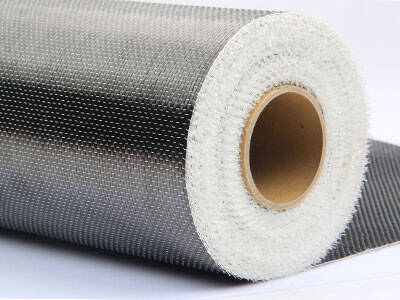
Ultimately, the project adopted the Horse Carbon Fiber Sheet Reinforcement System to strengthen the beams, slabs, and columns, thereby achieving a comprehensive enhancement of the structure's safety performance.
I. Project Overview
This project involves the renovation of an existing building into a nursing home facility. The structure was originally designed as a three-story office building featuring a frame structure, with a total floor area of approximately 3,200 m². Due to the change in functional use to a nursing home, the building's service loads, safety classification, and seismic resistance requirements have increased significantly. Assessments conducted by a professional agency identified the following deficiencies in the original structure:
The load-bearing capacity of certain floor slabs is insufficient to meet the live load requirements for a nursing home;
Beam and slab components exhibit varying degrees of cracking and concrete carbonation;
The overall seismic performance of the structure fails to comply with current building codes and standards for elderly care facilities.

Ultimately, the project adopted the Horse Carbon Fiber Sheet Reinforcement System to strengthen the beams, slabs, and columns, thereby achieving a comprehensive enhancement of the structure's safety performance.

Principles of Core Reinforcement Technology
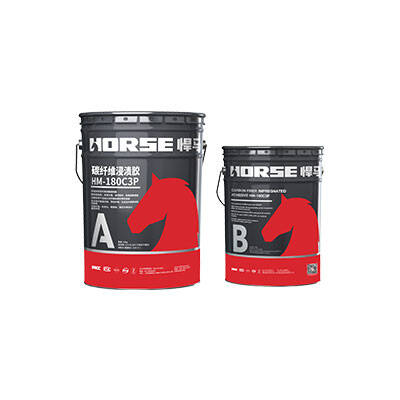
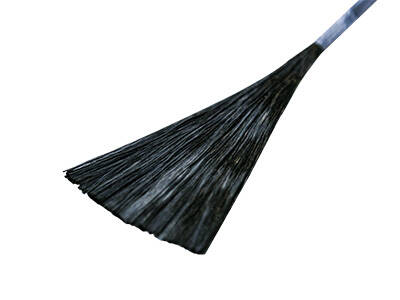
This method employs carbon fiber fabric bonding technology, utilizing specialized structural adhesives to adhere high-strength carbon fiber fabric to the surface of concrete structural members. By leveraging the carbon fiber fabric's tensile strength—which is 5 to 10 times that of steel—to work in synergy with the concrete, the technique significantly enhances the members' flexural and shear load-bearing capacities, as well as the overall structural ductility. Furthermore, this process adds no additional dead load to the building and occupies no usable space, making it perfectly suited to meet the renovation requirements of elderly care facilities.

Reinforcement Areas
Floor Slab Reinforcement:
For all floor slabs exhibiting insufficient load-bearing capacity, bidirectional reinforcement will be applied to the underside using 300 g/m² HAMMA carbon fiber fabric. This measure effectively enhances the flexural load-bearing capacity of the slabs and eliminates the risk of crack propagation.
Beam Reinforcement:
For frame beams characterized by large spans and insufficient flexural capacity, carbon fiber fabric will be applied to provide flexural reinforcement, supplemented by U-shaped carbon fiber stirrups for shear reinforcement. The primary objective is to significantly enhance both the load-bearing capacity and seismic performance of the beams.
Column Reinforcement:
For frame columns exhibiting an excessively high axial compression ratio and insufficient ductility, circumferential confinement reinforcement will be applied using carbon fiber fabric. Through the "confinement effect," this technique restrains the lateral deformation of the concrete, thereby significantly enhancing the column's axial compressive load-bearing capacity, ductility, and seismic performance, while simultaneously addressing the issue of insufficient stirrup reinforcement in the original structure.

The use of carbon fiber sheet for reinforcement and renovation in this project not only saved the client substantial new construction costs but also achieved a "revitalization and upgrade" of the structure through a minimally invasive and highly efficient approach. By breathing new life into an aging building, it has created a safe and comfortable living environment for the elderly, while simultaneously providing a replicable model for similar renovation projects in the senior care sector.